Outdoor Workbench Materials: UV Durability Tested
By Maya Iqbal • 4th Apr
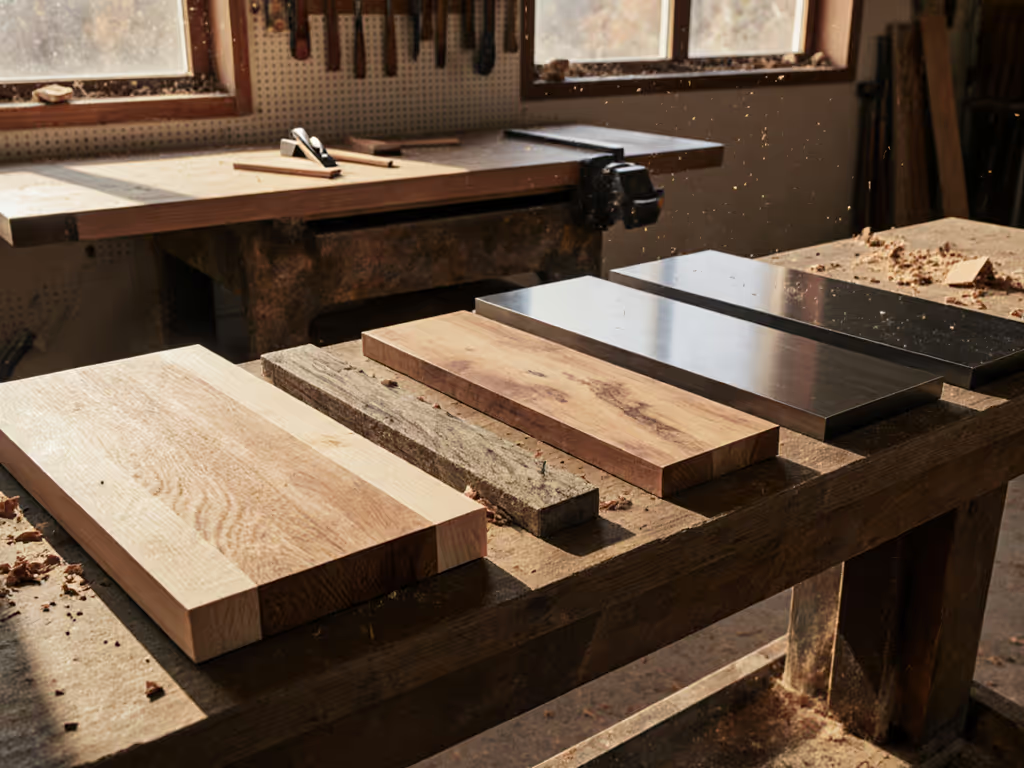
When you build wooden workbench tops for outdoor use, material choice determines whether you'll fight rot and checking every spring or spend weekends on something that performs. Woodworking workbench tops exposed to sun, rain, and seasonal swings face UV degradation, moisture movement, and finish failure that indoor benches simply don't encounter. This guide compares how three material families (solid wood, laminated composites, and metal) handle real outdoor stress, measured through repeat cycles rather than marketing claims. If you prefer curated options, explore our picks for all-weather wooden workbenches.
How Do UV and Moisture Degrade Outdoor Workbench Surfaces?
Ultraviolet light breaks down lignin in wood and degrades most clear finishes within 6-12 months of outdoor exposure[4]. Moisture cycling (wet mornings followed by sun-baked afternoons) pushes wood dimensions up and down; a 1-inch-thick top can move 1/4 inch side to side across its width over a season. This isn't just cosmetic: it breaks fasteners, closes glue joints, and turns your flat reference surface into a warped platform that prints errors into every piece.
The real test isn't a single UV chamber run. It's watching a bench behave through three winters and two summers. I've seen benches that looked indestructible after month one start telegraphing twist by autumn. The difference? How the top was designed to move and whether the finish actually resists water ingress.
Which Wood Species Should You Choose for an Outdoor Bench Top?
Hardwoods offer mass and dimensional stability; softwoods cost less but require heavier finishing.[3]
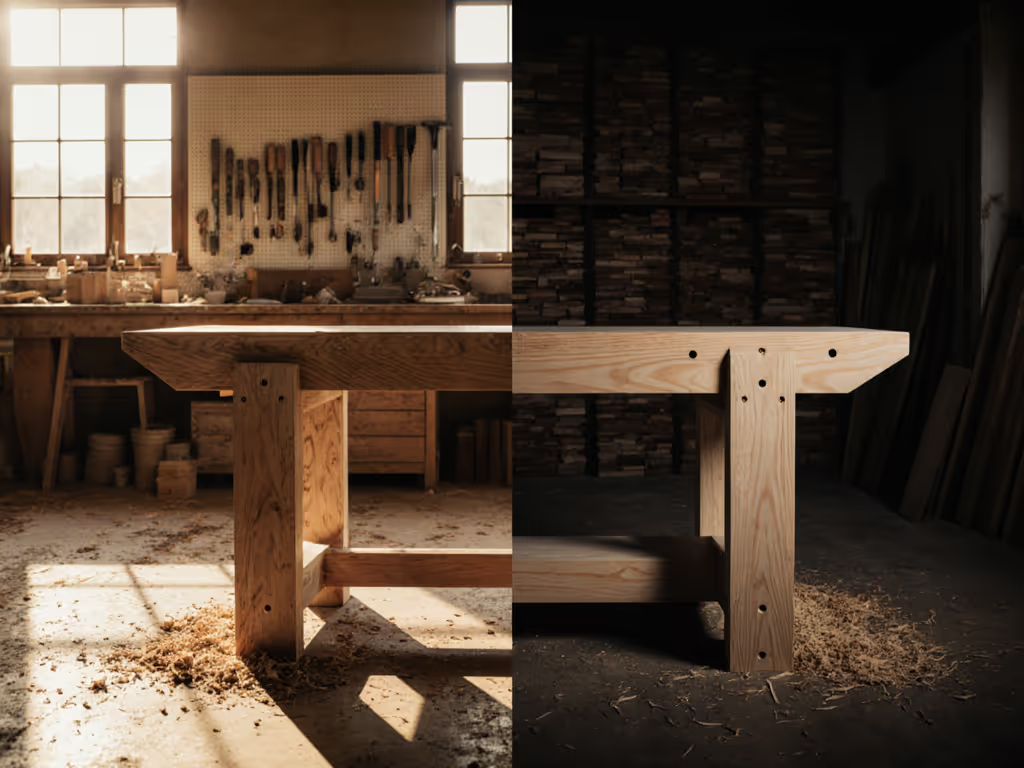
Ash and maple are traditional choices because they're stiffer than most softwoods and hold themselves on long spans[3]. But "stiff" and "stable" aren't the same. Ash has good memory and resists cupping, while maple's finer grain and higher density mean slower finish penetration, both assets outdoors. Both cost $$$, though, and neither is immune to checking if exposed directly to sun.
Softwood benches (fir, pine) can work if you bias your budget toward the work surface. Spend the money on the front half of the top where you actually plane and chisel; the rear two-thirds can be economy softwood[3]. Softwood tops degrade faster, but replaceable tops shift the cost model: a $200 Douglas fir top replaced every 5 years may beat a $600 maple top that checks anyway.
The trap is assuming species handles outdoor exposure on its own. Without finish, any wood rots. With poor finish, species barely matters.
How Do Laminated and Composite Tops Compare to Solid Wood?
Laminated tops sandwich durable faces over stable cores and reduce seasonal movement 30-50% versus solid wood.[3]
The principle is simple: glue a dense hardwood veneer (maple, beech, ash) to a stable core (laminated veneer lumber or plywood) and you get stiffness from the face, stability from the core, and lower cost than solid hardwood[3]. For outdoor duty, a half-inch hardwood face over quality LVL holds flatness better than 2-inch solid softwood, and the glue line doesn't swell unpredictably because dimensional change is balanced top and bottom.
Plastic composites (phenolic resin or phenolic-impregnated plywood) offer a different trade: they shrug off moisture and UV, shed spills instantly, and require zero finish maintenance[2]. They don't move. They don't dent. They also don't feel like wood, telegraph impact differently, and can be slippery when wet if you value traction for hand-tool work.
Phenolic is chemically tough and resists staining; it doesn't crack or warp in wet/dry cycling[2]. If you work metal, electronics, or glue-heavy assembly and don't care about wood feel, phenolic bench tops eliminate the maintenance tax entirely. For pure woodworking, most makers find them cold.
What Finish Stops UV Damage on an Outdoor Bench?
Clear finishes do not hold up well outdoors[4]. Polyurethane, varnish, and lacquer break down under UV and need recoating every 1-2 seasons. Penetrating oil finishes (tung oil, Danish oil) offer easier annual maintenance but demand consistency: skip one year and UV will start checking the exposed wood.
Pigmented finishes (exterior paint, solid-color stain) block UV and last 3-4 years outdoors, but hide wood grain and make dents visible as paint flakes. The trade-off is protection for aesthetics.
For a bench you'll actually use, not display, consider: oil finish if you'll maintain it yearly; pigmented stain if you want durability with partial wood visibility; or phenolic if you'll never think about finish again. Control the variables, and the numbers will explain themselves (and in outdoor service, the variable you can't control is rain).
Outdoor bench surfaces require protective coatings or material selection that prioritizes water shedding over appearance.
Can Metal Tops Outlast Wood for Outdoor Use?
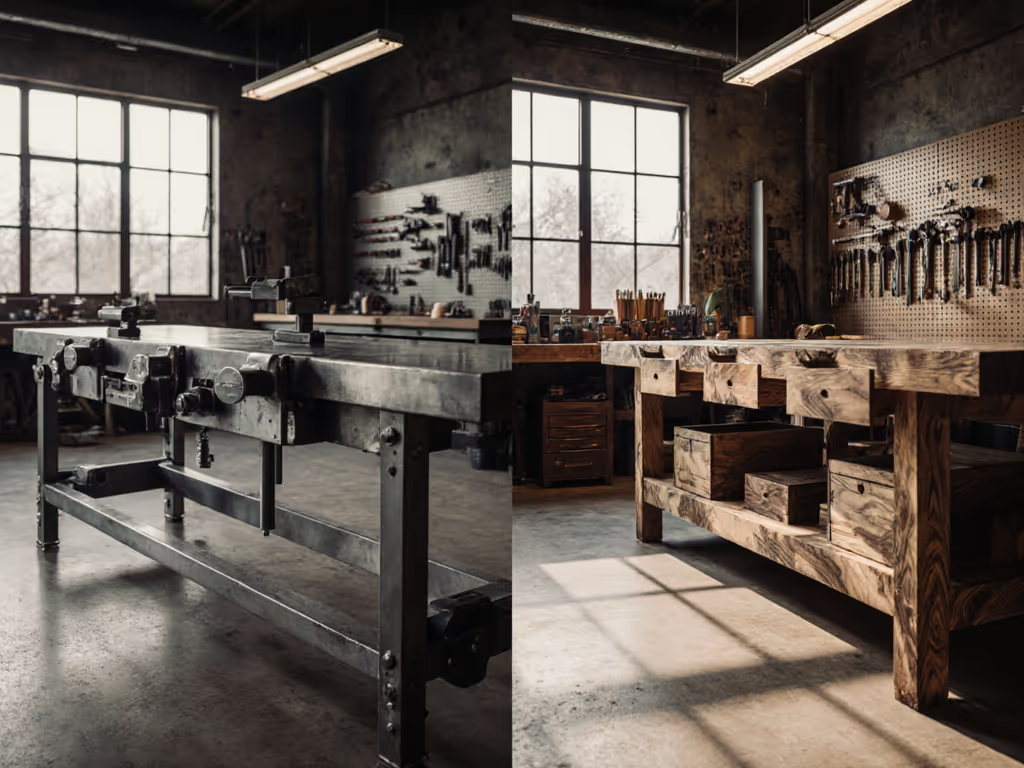
Steel plate and stainless steel rank highest in durability and won't rot, split, or check[2]. A steel top doesn't move with seasons and stays flat indefinitely. The penalties: weight (100+ pounds for a 4x2 ft steel top), rust without proper finish, and acoustic harshness that tires hands and transfers vibration aggressively.
Stainless steel eliminates rust but costs 3-5x carbon steel and still conducts sound and cold. Neither is forgiving; tools dent and mark easily, and you lose the slight shock absorption wood provides, translating into fatigue.
Steel shines for marine, wet, or high-chemical environments. For a broader material breakdown, compare steel vs wood workbenches for durability and stability trade-offs. For a typical woodworker's outdoor bench in a temperate zone, the maintenance burden and mass penalty usually outweigh the appeal. Mass and stance beat marketing, but a steel top is mostly mass, not function.
How Should You Test UV Durability Before Committing to a Material?
Don't trust manufacturer claims alone. Build a controlled test:
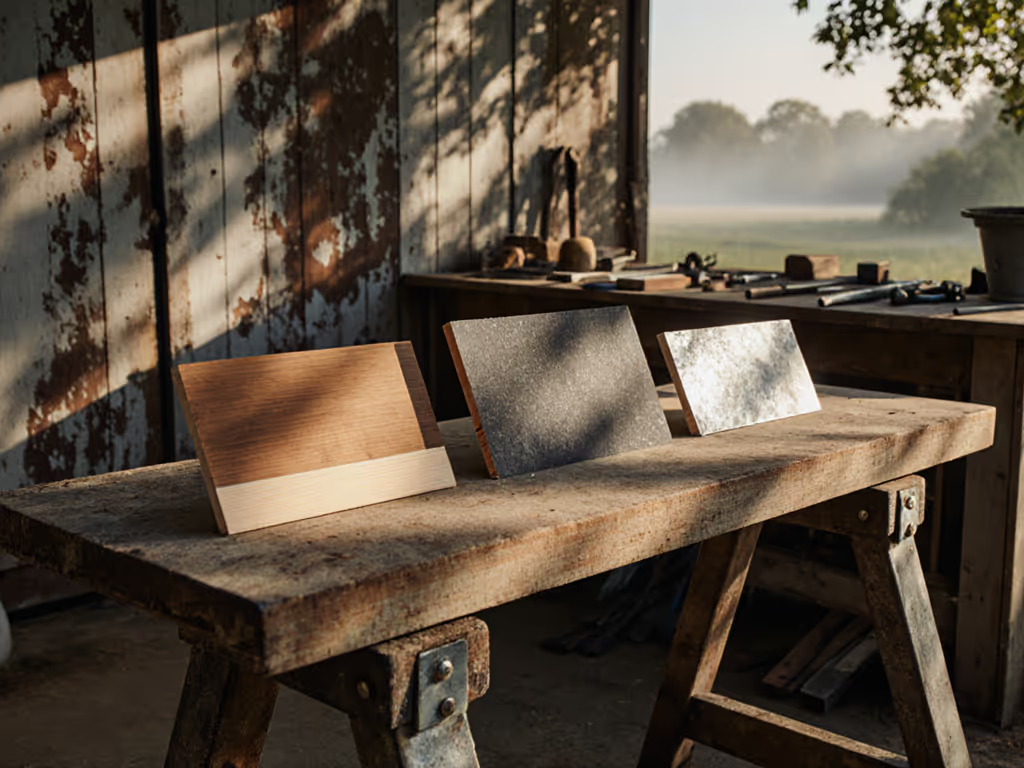
- Take sample panels (8 x 12 inches minimum) of your candidate material and finish.
- Measure flatness, color, and gloss using a straightedge and smartphone color app on day one.
- Mount samples outdoors unshaded for 3-6 months, angled south-facing if in the Northern Hemisphere.
- Remeasure and inspect monthly for checking, color shift, gloss loss, and dimensional movement (use calipers on edges).
- Record photos in consistent light to compare visually.
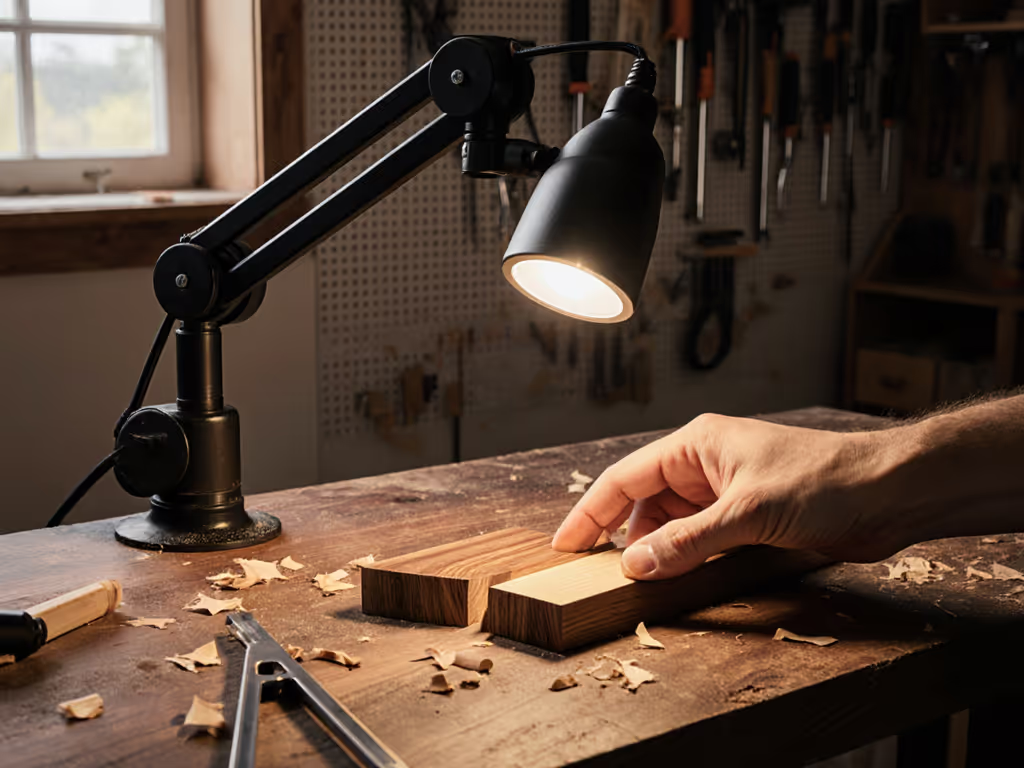
This isn't perfect, but it's repeatable. One volunteer rebuild of a community makerspace taught me the power of side-by-side observation: two benches looked identical from across the room, then we loaded both with work and sand ballast. One twisted like warm taffy; the other stayed flat. A dial indicator confirmed what we felt. Measurements ended the debate where opinions never would.
What Maintenance Schedule Should You Plan For?
Wood benches outdoors need:
- Spring: scrape loose finish, sand lightly, re-coat with oil or stain if pigmented finish is chipped.
- Fall: seal any cracks or checking if visible; apply finish before winter rain.
- Winter: cover the bench if snow load is possible; moisture under snow accelerates rot.
For laminated tops, the same schedule applies; the core is protected by the glue line, so finish failure matters less, but you still want to prevent water from finding edges.
Phenolic and metal tops need only rinse and dry; no finish maintenance.
Oil-finished benches demand consistency. Use our workbench maintenance schedule to plan coatings and inspections throughout the year. Miss one year and the surface will begin absorbing water and lifting grain. The alternative is moving to pigmented stain (less frequent but heavier) or accepting that you'll refinish every 18 months.
Which Material Offers the Best Total Cost of Ownership?
That depends on your time value and use pattern.
Softwood bench with oil finish: $150-300 materials, 4-6 hours labor, annual oil cost minimal but 2-3 hours recoating annually. Total 10-year cost: ~$300-500 if you do the work.
Laminated hardwood top on softwood base: $300-600 materials, 6-10 hours labor, oil or stain maintenance annually. Total 10-year cost: ~$500-800.
Phenolic top on steel legs: $400-800 materials, 4-8 hours labor, zero finish maintenance. Total 10-year cost: ~$400-800 but skewed front-loaded (buy-once model).
Steel plate top on steel base: $800-1500 materials, 4-6 hours labor, rust prevention products and inspection annually. Total 10-year cost: $900-1200.
The cheapest entry is softwood + oil. The lowest long-term hassle is phenolic or steel. The best middle path (flatness, feel, and reasonable maintenance) is laminated hardwood face over stable softwood core with annual pigmented-stain recoat.
What Should You Prioritize When Designing an Outdoor Bench Top?
Start with the work surface. Front 2-3 feet is where planing, chiseling, and clamping happens[3]. Make that zone from your best material and finish. The rear bench back and cantilever can be economy softwood or composite. This isn't compromise; it's resource allocation.
Ensure drainage: slope the top 1 to 2 degrees toward edges or install a narrow channel so water doesn't pool. Pooling water is how wood benches die fastest.
Choose legs and aprons from material that won't rot: pressure-treated softwood, cedar (slower rot but not rot-proof), or metal. The top may last 5 years; the base should last 15+.
Build for recoating: design the top so you can access all edges and underside for finish work. Glued-on aprons trap moisture and become failure points.
Further Exploration
Start by collecting sample panels of your candidates and running a 3-month outdoor test in your climate zone. Measure and photograph weekly. A dial indicator and straightedge cost under $50 and eliminate guessing.
Connect with your local makerspace or woodworking guild; odds are someone has an outdoor bench and can show you how their chosen material is holding up after 2-3 seasons. Real-world data in your region beats any article recommendation.
If you're torn between softwood and laminated hardwood, make the decision based on your annual recoating tolerance, not initial cost. A $200 softwood top you refinish yearly fits some schedules; a $400 laminated top you coat once every two years fits others. Both will perform outdoors if finished correctly. Ignore the finish and either rots.
Finally, don't let perfect be the enemy of done. A functional outdoor bench made from budget softwood and kept sealed beats the idea of a premium hardwood bench you never quite find the right materials for.
Related Articles