Steel vs. Wood: Workbench Material & Tool Performance
By Taro Nakamura • 20th Apr
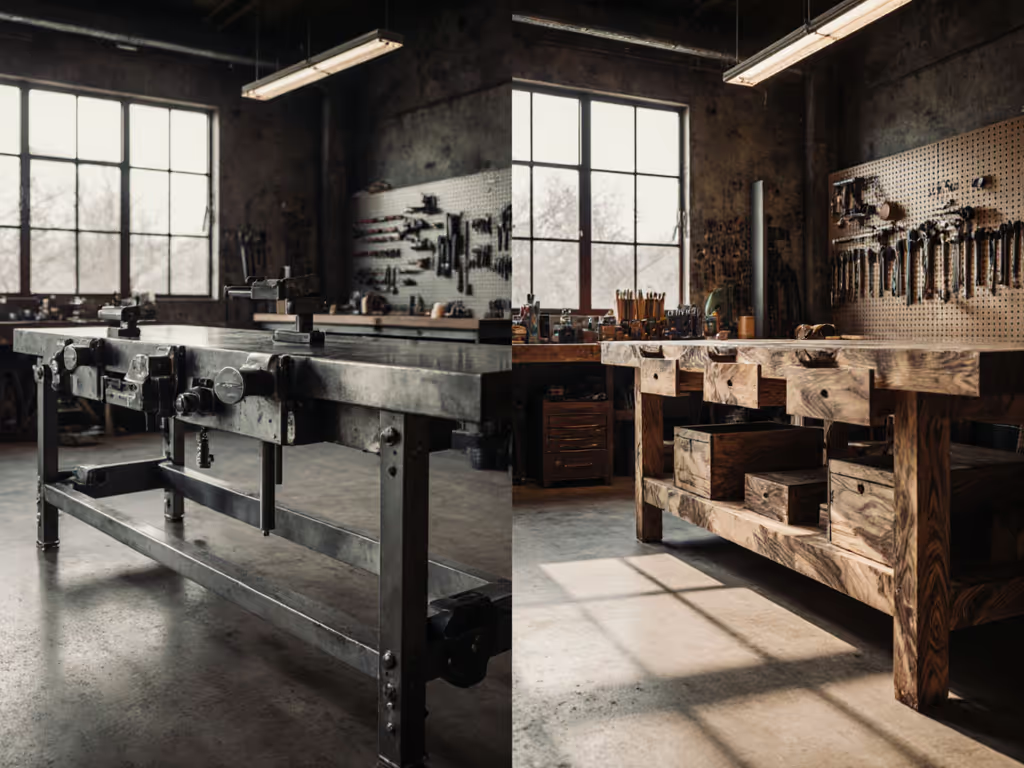
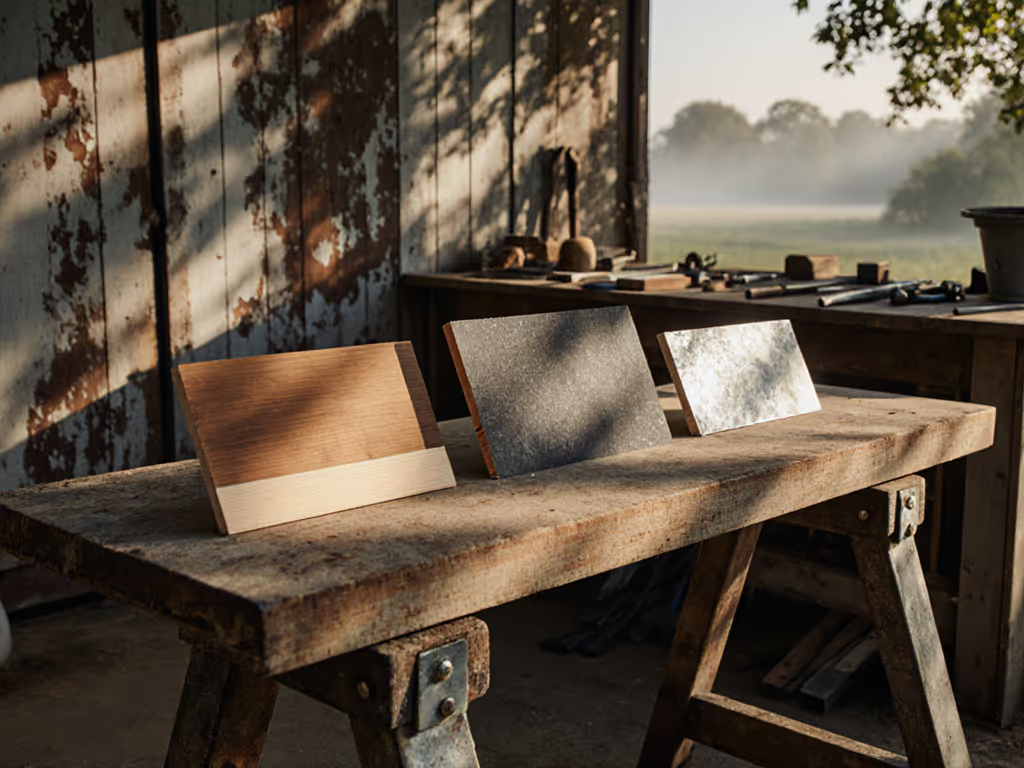
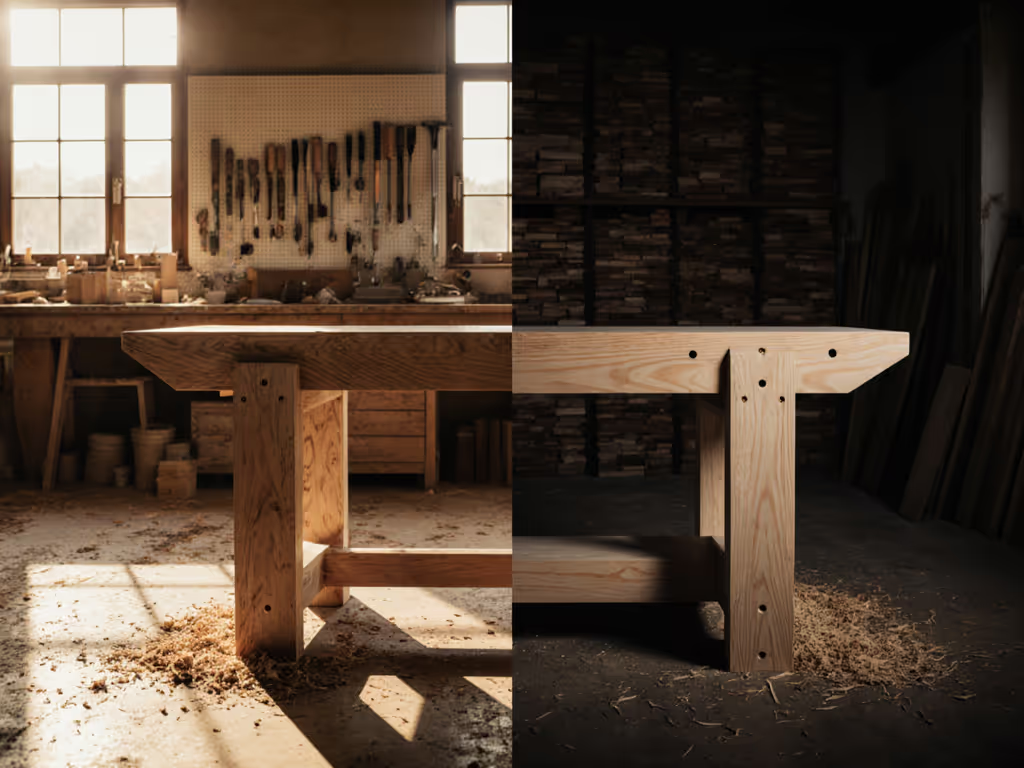
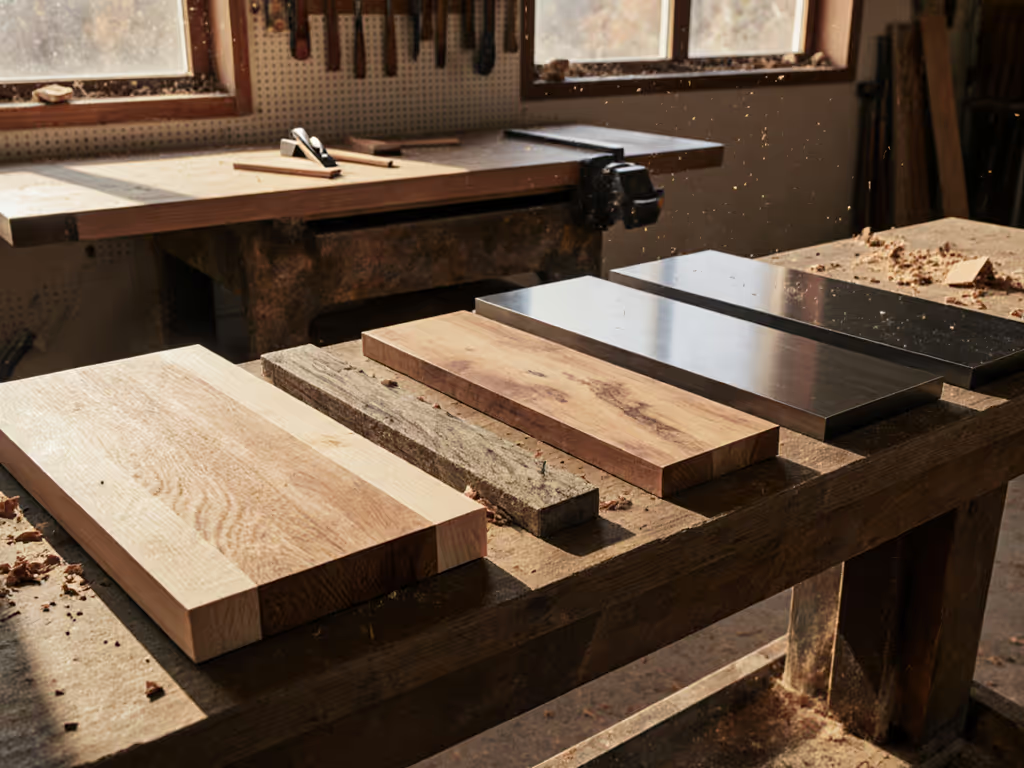
The choice between steel and wood fundamentally shapes how your workbench material behaves under load, how your tools perform on the surface, and what your actual maintenance calendar looks like. This isn't about aesthetics, it is failure-mode engineering. Let's cut through the noise with data and field experience. For a broader breakdown of material pros and cons, see our steel vs wood workbench comparison.
Why Material Matters More Than You Think
Workbench material and tool performance isn't just about strength. It's about what happens when you're mid-glue-up or mid-cut and the surface moves. Years ago, on a film set build, I watched a portable workbench collapse under clamping pressure during a glue-up. Half a day lost. The replacement was overbuilt, ugly, and utterly unremarkable (it never failed). That taught me the real lesson: uptime beats cleverness. A bench's job is to disappear into the work, not become the constraint.
The material you choose determines three critical outcomes: load stability under task-specific stress, vibration transmission that affects precision and sound, and maintenance demand over the bench's life. These interact in ways that don't always align with intuition.
Steel vs. Wood: The Core Trade-Offs
Load-Bearing Capacity and Structural Integrity
Which wins on raw strength? Steel. Unambiguously. Steel workbenches can hold heavy loads steadily, resist impacts, and maintain structural stability in tough industrial environments, typically lasting several decades. Steel doesn't bend, crack, or warp under pressure in the way wood does.
Wood, even hardwoods like oak or maple, is more prone to warping, cracking, and surface damage when exposed to moisture, chemical agents, or repeated impacts. The material itself yields and creeps under sustained load. This doesn't mean wood fails catastrophically, it means tool longevity and work surface consistency degrade. A workbench top that drifts out of flat over a season is a precision liability. If seasonal movement is your concern, our workbench top thickness guide explains how thickness affects racking resistance and long-term flatness.
But (and this is where field reality diverges from spec sheets) higher load capacity doesn't always equal better tool performance.
Vibration Damping and Precision Work
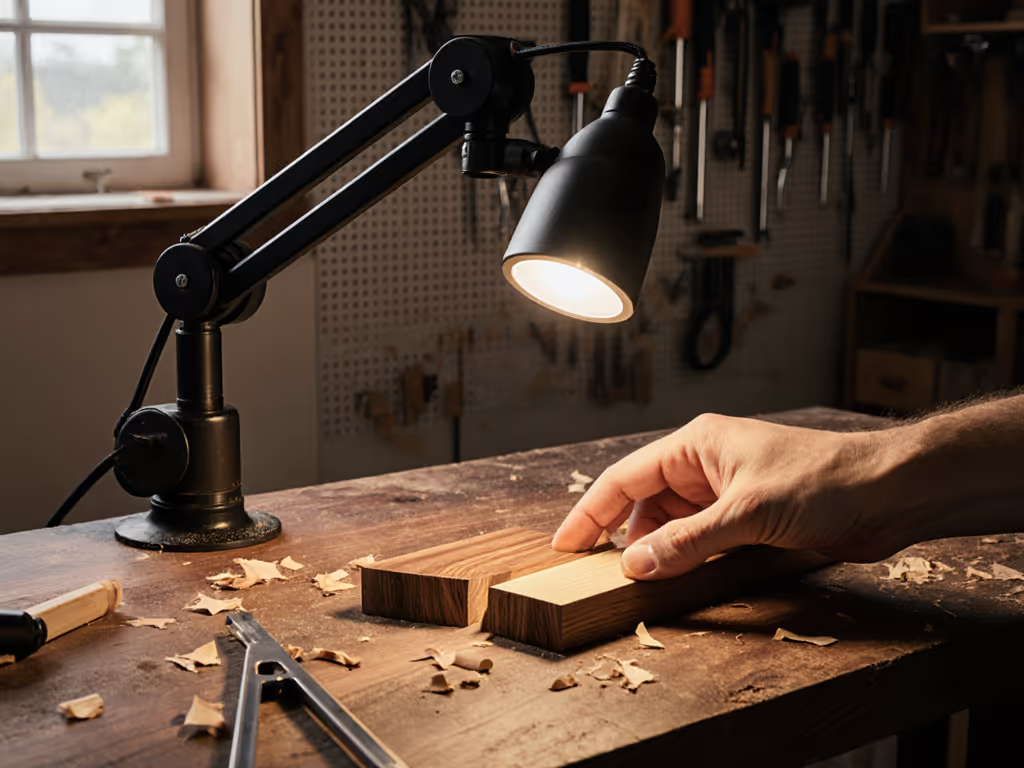
Steel's rigidity is a double-edged tool. Metal structures are relatively hard and easily transmit vibrations and noise, which degrades precision in delicate operations. For measured differences, see our hardwood vs steel vibration test. A plane, chisel, or fine-assembly task needs a surface that absorbs shock rather than resonates with it.
Wood, by contrast, absorbs vibrations naturally. Hardwood (maple, oak) provides a dense surface that dampens shock and chatter, making it ideal for hand-tool work and precision assembly. To choose the right surface for your tool set, compare hand-tool vs power-tool top performance.
Related Articles