Fused Glass Workbench: Stable & Heat-Resistant Picks
By Aisha Thompson • 22nd Jan
When you're creating beautiful fused glass pieces, your woodworking workbench transforms into a critical stained glass work surface. The right foundation makes all the difference between frustration and flow, especially when you're handling delicate glass pieces that demand precision and heat resistance. I've seen too many talented glass artists struggle with unsuitable workspaces that hinder their creativity rather than support it. If you've ever chased a sliding glass piece across your bench or worried about heat damage during your process, you're not alone. Let's find the perfect foundation for your glass artistry that balances stability, safety, and workflow efficiency.
Understanding Your Glass Artist Workspace Needs
Before we dive into specific bench options, let's clarify what makes a workbench truly functional for fused glass work. Unlike standard woodworking benches, your glass cutting table needs special considerations that address the unique properties of glass as a medium. For clearer visibility and reduced glare while cutting, see our bench lighting setup guide.
The Critical Requirements for a Glass Workstation
Glass artists face specific challenges that require tailored solutions:
- Heat resistance that can withstand temperatures from warm glass pieces
- Non-slip surfaces to prevent delicate glass pieces from sliding
- Clear visibility of your work without reflective glare
- Stability that won't wobble during precise cutting or assembly
- Organization for small glass pieces, tools, and accessories
- Temperature tolerance that won't warp or degrade with repeated heat exposure
Remember my early days in glass art? I wasted hours chasing tools and repositioning sliding glass pieces because I hadn't properly considered my workspace setup. That single afternoon with a mentor who reset my entire workflow, establishing clear zones, fixed glass placement points, and dedicated homes for every tool, made my projects enjoyable again. Clear homes end clamp hunts and let you focus on your craft, not your clutter.
#1: Tempered Glass Top Workbenches
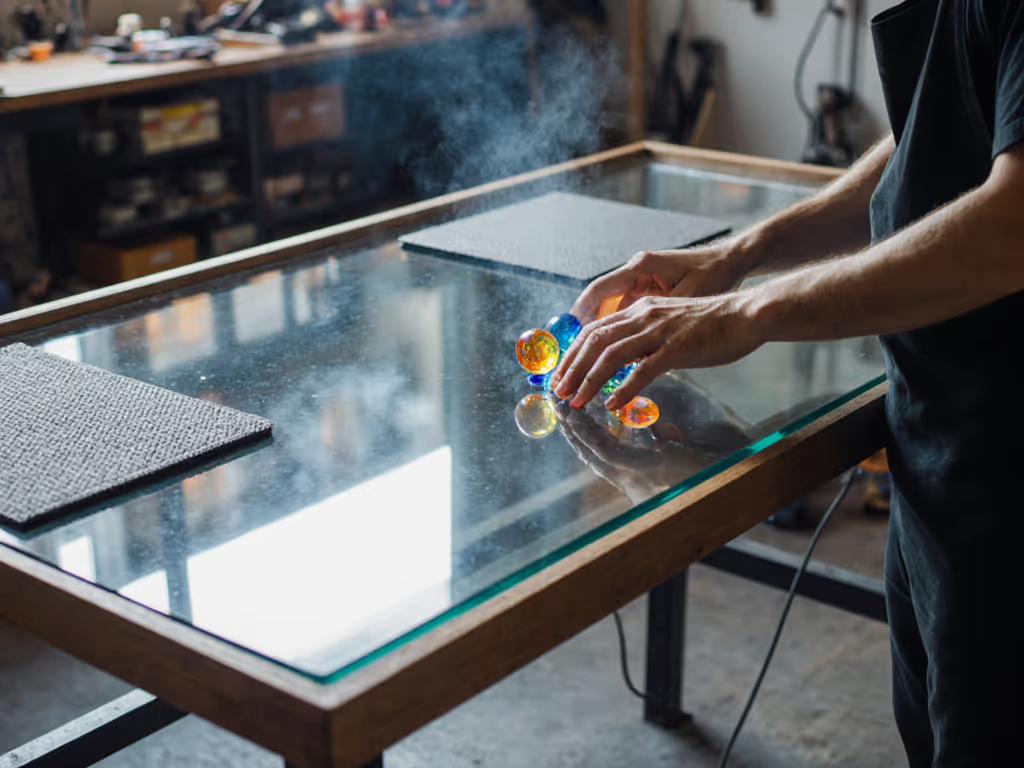
Tempered glass work surfaces offer unique advantages for glass artists that might surprise you. While standard 1/8-inch glass would be too thin for bench use, 5/16-inch tempered glass creates an incredibly durable surface that's "damn near impossible to break by dropping something on it," as glass industry professionals confirm.
Why Glass-on-Glass Works for Glass Artists
- Visual clarity allows you to see through your workpieces for precise alignment
- Heat resistance that handles warm glass without warping or damage
- Easy cleanup of glass dust and debris (no porous surfaces to trap particles)
- Smooth surface prevents scratching delicate glass pieces
Practical Considerations
The main challenge is preventing your glass pieces from sliding on the smooth surface. The solution? Add rubberized mats in your primary work zones while keeping the rest of the surface clear for visibility. A wooden rim around the edge prevents pieces from rolling off the bench entirely, a design feature commonly found in professional glass studios.
Checklist: Is a Tempered Glass Bench Right For You?
- ☐ You value seeing through your workpieces for precise alignment
- ☐ Your workspace has controlled temperature (no extreme cold drafts)
- ☐ You're willing to add non-slip zones for cutting areas
- ☐ You need maximum visibility for intricate glass patterns
#2: Phenolic Resin Countertops
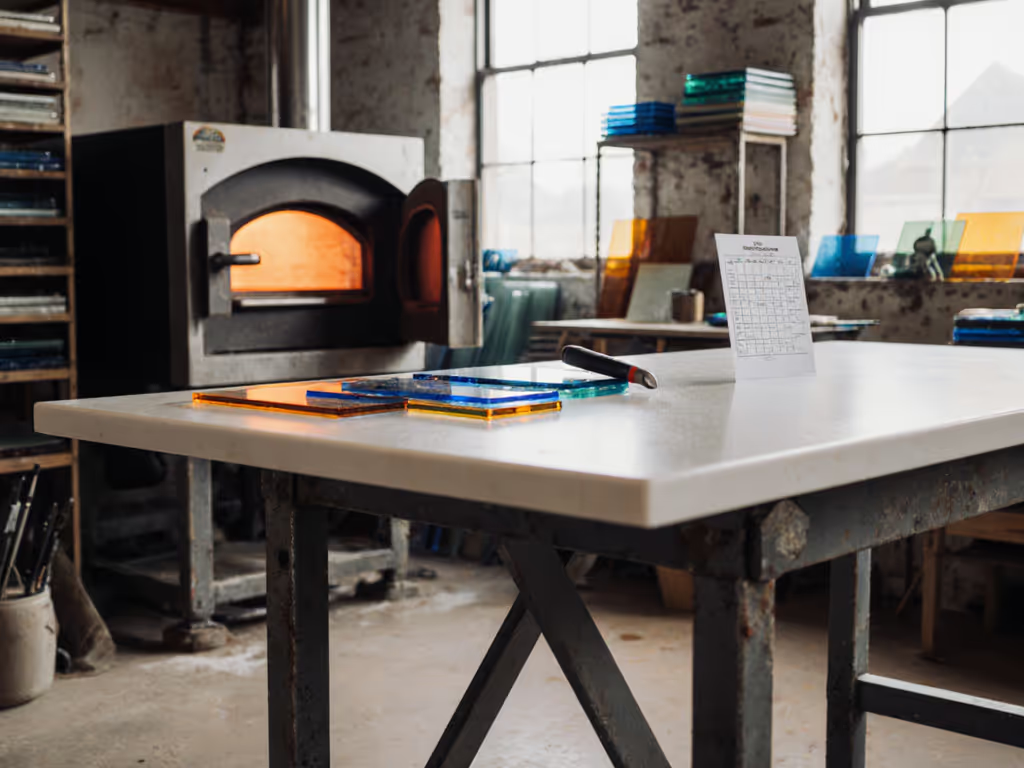
If your fused glass work involves significant heat exposure, phenolic resin countertops deserve serious consideration. We’ve tested the top phenolic resin workbenches to help you choose a heat-proof surface that fits your budget. These surfaces are created by layering natural kraft paper saturated with phenolic resin and processed under high heat, a perfect match for glass artists who need reliable heat resistance.
Performance Benefits for Glass Artists
- Heat tolerance up to 350°F continuous exposure, sufficient for most warm glass processes
- Chemical resistance that handles glass cleaning solutions without damage
- Moisture resistance that won't warp with occasional water exposure
- Scratch resistance that protects against glass cutting tools
- Bacteria-resistant surface that stays clean between projects
Real-World Application
Phenolic resin tops excel as your primary fused glass workstation because they provide the perfect balance between heat resistance and affordability. Glass artists who work with warm glass frequently tell me how much they appreciate the consistent surface that doesn't require special conditioning.
Practical Setup Tip
For your glass cutting area, add a removable cutting mat that sits on top of the phenolic surface. This creates a dedicated zone with just the right amount of grip while preserving the rest of your glass artist workstation for assembly and finishing work.
#3: Stainless Steel Benchtops
Stainless steel workbenches offer the ultimate heat resistance for glass artists working with extremely hot materials. Made with chromium and nickel, these surfaces resist rust, corrosion, and can withstand heat exposures above 1,500°F, though they may discolor at prolonged high temperatures.
Why Glass Artists Choose Stainless Steel
- Extreme heat tolerance handles hot glass directly from kilns
- Easy cleaning with no porous surfaces to trap glass dust
- Durability that withstands regular use without degradation
- Professional appearance that looks great in any studio setting
The Tradeoffs to Consider
Stainless steel does have some limitations for glass work. It's prone to scratching, which can be problematic when sliding glass pieces across the surface. The reflective surface can also create glare that makes precise work challenging. Use our LED vs fluorescent bench lights comparison to minimize glare and maintain accurate color. And it's one of the more expensive options available.
Pro Tip for Glass Artists
Add a thin layer of fiber padding to one section of your stainless steel bench to create a dedicated knocking-off area. This protects your glass pieces while still giving you access to the full heat resistance of the stainless surface when needed.
#4: Specialized Heat-Resistant Laminate Options
For artists on a budget, chemical-resistant laminate tops offer a practical solution. These surfaces feature a melamine resin over decorative paper bonded to phenolic-resin impregnated kraft paper, a surprisingly effective solution for many glass artists.
Benefits for Your Glass Studio
- Moderate heat resistance up to 275°F
- Designer looks with various color and pattern options
- Mid-range pricing that fits many budgets
- Chemical resistance for glass cleaning solutions
Practical Limitations
Laminate surfaces aren't as durable as phenolic or stainless options. They're more vulnerable to moisture damage if not properly maintained, and they can scratch more easily. They're best suited for dry applications where you're not regularly placing hot glass directly on the surface.
Smart Setup Strategy
Treat your laminate bench as the foundation for your fused glass workstation, then add heat-resistant zones where needed. A removable silicone mat in your primary work area can dramatically increase the heat tolerance of your laminate surface while preserving its appearance elsewhere.
#5: Purpose-Built Glass Artist Workstations
Several manufacturers create worktables specifically designed for glass artists, incorporating features that address the unique demands of the craft.
Key Features of Professional Glass Workstations
- Fiber padding beneath the work surface to absorb knocks
- High-temp fabric covering that won't melt at glass working temperatures
- Wooden rims to prevent glass from rolling off the edge
- Adjustable height to accommodate different working positions
- Integrated tool storage for frequently used glass tools
- Leveling bolts for uneven studio floors
The "Marver" Advantage
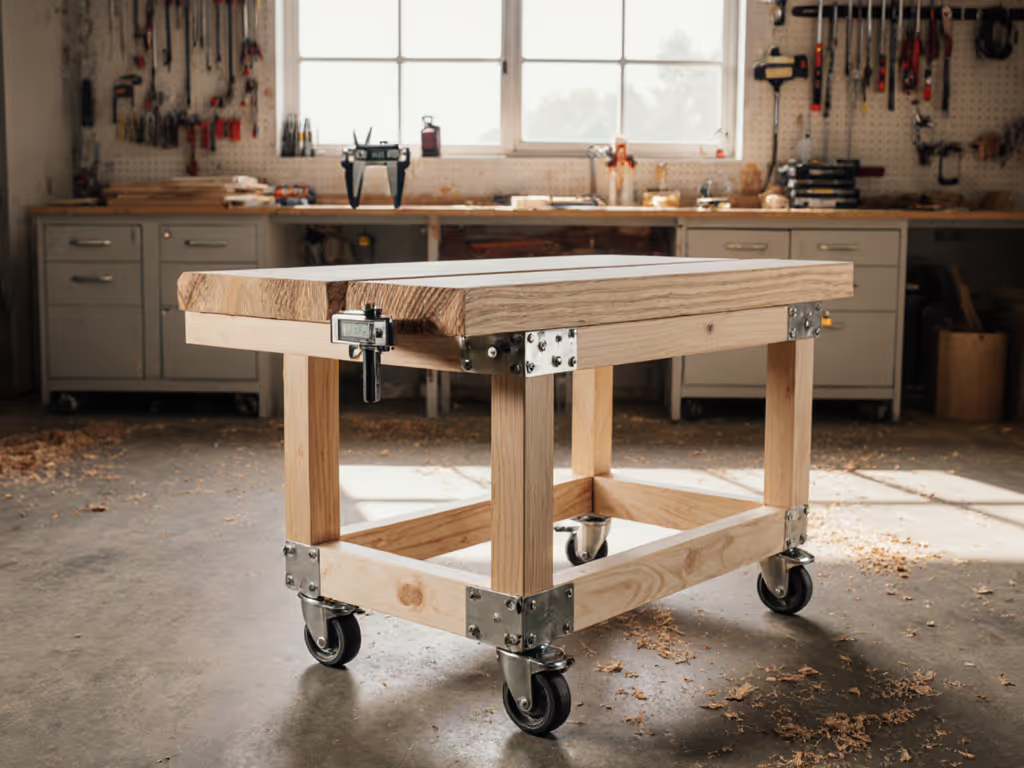
Many professional glass studios use what's called a "marver" a specialized bench with a blanchard ground steel top (typically 5/8" thick) that provides supreme rigidity and flatness. These benches often feature heavy-duty swivel locking casters allowing mobility when needed, then rock-solid stability during work. For stable mobility without wobble, follow our guide to workbench caster systems.
What Makes Them Worth Considering
Purpose-built glass workstations solve multiple problems simultaneously. The curved "thigh bar" design allows comfortable working positions, while aluminum heat shields provide protection during hot glass work. The integrated tool bars keep your most-used tools within easy reach, reducing wasted motion during critical work phases.
#6: Modular Workbench Systems
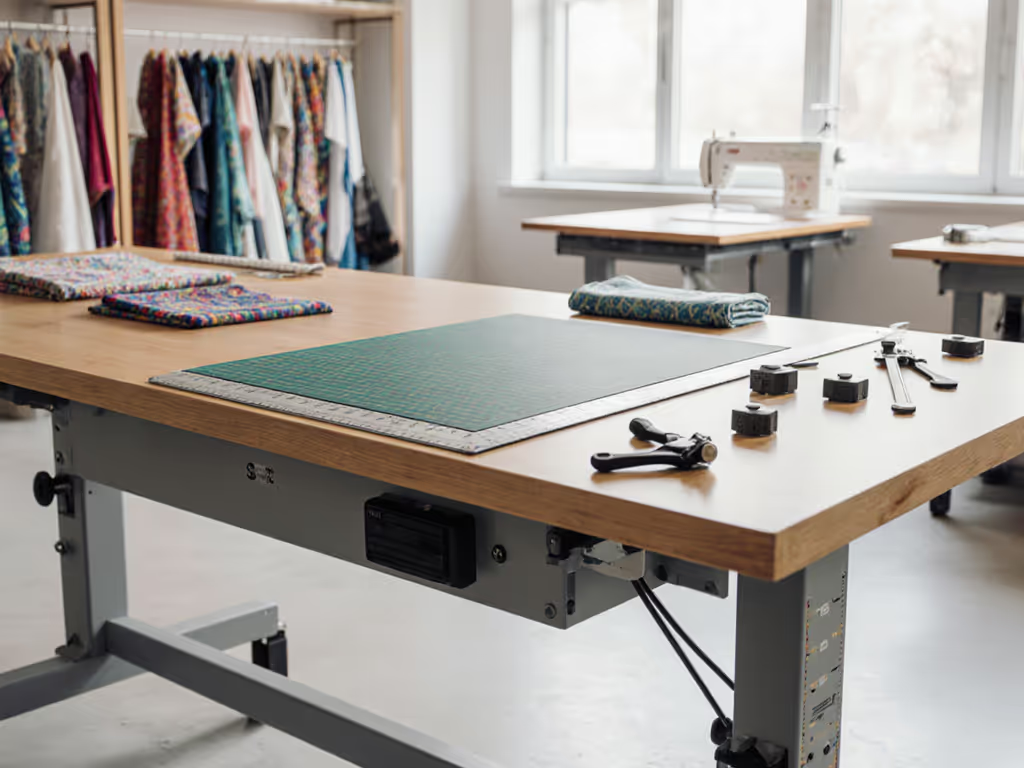
Modular workbenches offer flexibility that many glass artists appreciate as their skills and projects evolve. Systems like those with Formica laminate tops mounted on aluminum frames provide a stable foundation that can adapt to your changing needs.
Why Modularity Matters for Glass Artists
- Expandable workspace that grows with your projects
- Replaceable tops when surfaces wear out from glass work
- Adjustable height accommodates both seated and standing work
- Integrated storage solutions that keep small glass pieces organized
The Hidden Benefit: Workflow Optimization
The real advantage of modular systems isn't just physical flexibility, it is how they encourage intentional workflow design. When you can easily reconfigure your glass cutting table, you're more likely to create zones for specific tasks (cutting, assembly, finishing), which dramatically improves efficiency.
Practical Setup Guidelines
Begin with workflows; the right bench choices follow. When configuring your modular bench:
- Designate specific zones for different processes
- Position your most-used tools within easy reach
- Create dedicated storage for small glass pieces
- Ensure your primary work area has clear sightlines
Making Your Final Decision
Choosing the perfect heat-resistant glass bench comes down to your specific workflow, budget, and the types of glass projects you create most often.
The Safety-First Checklist
Before finalizing your decision, run through these safety considerations: For a deeper checklist of safeguards tailored to bench setups, see our workbench safety features guide.
- Will your bench remain stable when you apply pressure during glass cutting?
- Does your chosen surface maintain its integrity when exposed to warm glass?
- Are your tools positioned to minimize reaching and twisting?
- Does your setup allow for proper ventilation if using adhesives or cleaners?
Budget Considerations
Remember that the lowest upfront cost isn't always the best value. Consider:
- Total cost of ownership over 5+ years
- Replacement costs for worn surfaces
- Productivity gains from an optimized workspace
- Health benefits from reduced fatigue and strain
Your Next Step in Workspace Excellence
Finding the right fused glass workstation isn't about chasing the perfect bench, it is about creating a workspace that supports your specific creative process. The most expensive bench won't help if it doesn't fit your workflow, while a modest setup thoughtfully arranged can transform your glass art experience.
I encourage you to visit local studios, watch glass artist vlogs to see different setups in action, and perhaps most importantly, sketch out your ideal workflow before investing in any bench system. Your perfect bench solution is the one that helps you forget you're even working at a bench it simply becomes an extension of your creative process.
For more hands-on guidance, I've put together a companion checklist: "5 Essential Tests for Your Glass Workbench" that helps you evaluate any bench before you buy. It covers simple at-home tests for stability, heat resistance, and workflow efficiency that most manufacturers won't tell you about. Checking these elements before purchase could save you hours of frustration down the road, just like that mentor saved me all those years ago.
Related Articles